


Ponce de Leon found so many sea turtles around the island chain that he named the atoll Las Tortugas, or The Turtles. Years later, the name changed to The Dry Tortugas in mock reference to the lack of fresh drinking water on the islands, a real problem for those constructing and manning a defensive fort that occupies most of Garden Key. Our concern, though, wasn’t a lack of water, but too much. A nasty looking storm clouded the horizon and our spirits during the 68 mile boat excursion to the island from Key West. For much of the trip, we feared a complete washout. But shortly before we arrived, the skies cleared, the winds calmed, and the turquoise water beckoned.
The Dry Tortugas National Park covers 101 square miles, most of which is underwater. Its borders contain Fort Jefferson, seven small islands, miles of coral reef, dozens of diveable shipwrecks, hundreds of exotic birds, and thousands of colorful fish. We went for the snorkeling, which is amazing. But getting to one of the most remote National Parks in the system is no small feat. 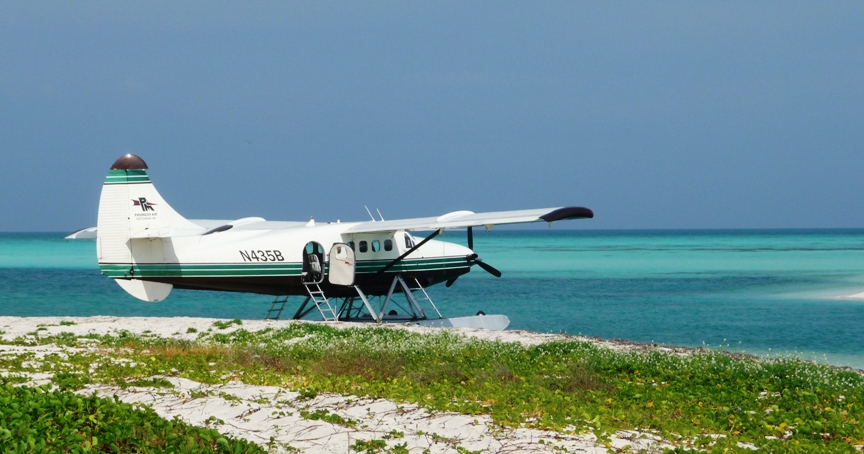 It’s a two and one-half hour trip by boat, or a 45 minute jaunt by seaplane. We found traveling five hours round trip for a few hours of snorkeling to be a bit much, although a couple of rum runners helped speed the return voyage. Next time we’re flying in on one of these bad boys, like guests at Fantasy Island.




 We’re going to be off the grid for the next week or so . . . no cell phone service, no internet, no electricity . . . thus, no blog posting. Check back in a week and maybe by then we’ll have finished our margaritas and be back on a normal posting schedule. But then again, maybe not. Who knows.












 Everywhere Once