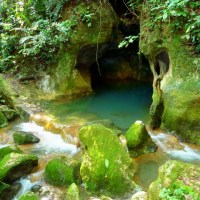
Torrey Pines State Reserve, just north of San Diego, is a wonderful little ocean-side park filled with great views and terrific trails for light hiking. It’s a place we found ourselves returning to again and again.
Archive | Travel RSS feed for this archive




Stairs at Torrey Pines State Reserve, CA
Whidbey Island, Just What We Needed
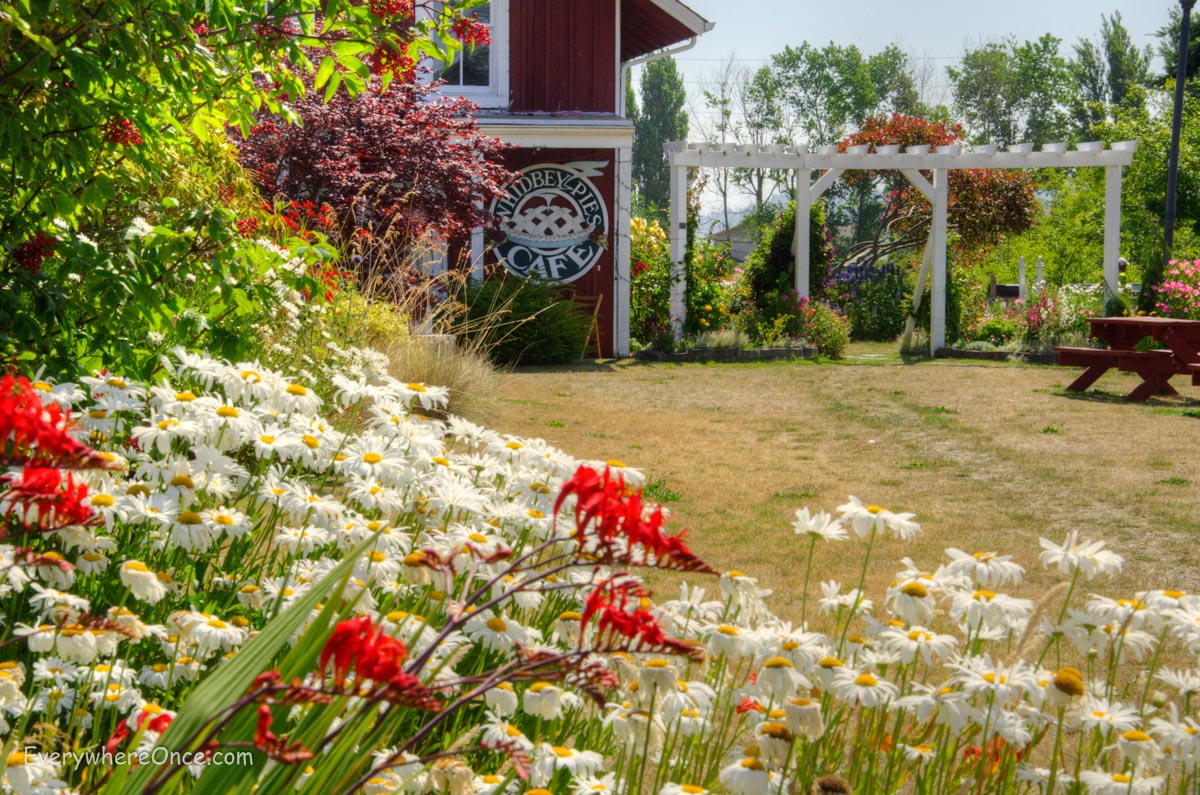 We had just spent 10 days ferrying around Alaska’s Inside Passage and, to be honest, we were plenty ready to do something new. Unfortunately the very next thing on our agenda, ferrying around Washington’s Whidbey and San Juan Islands, didn’t sound like something new. It sounded an awful lot like what we had just done, only on a seemingly smaller scale. After all, how could Washington’s lesser-known archipelago compete with the grandeur and beauty of Alaska? Surprisingly easily, it turned out.
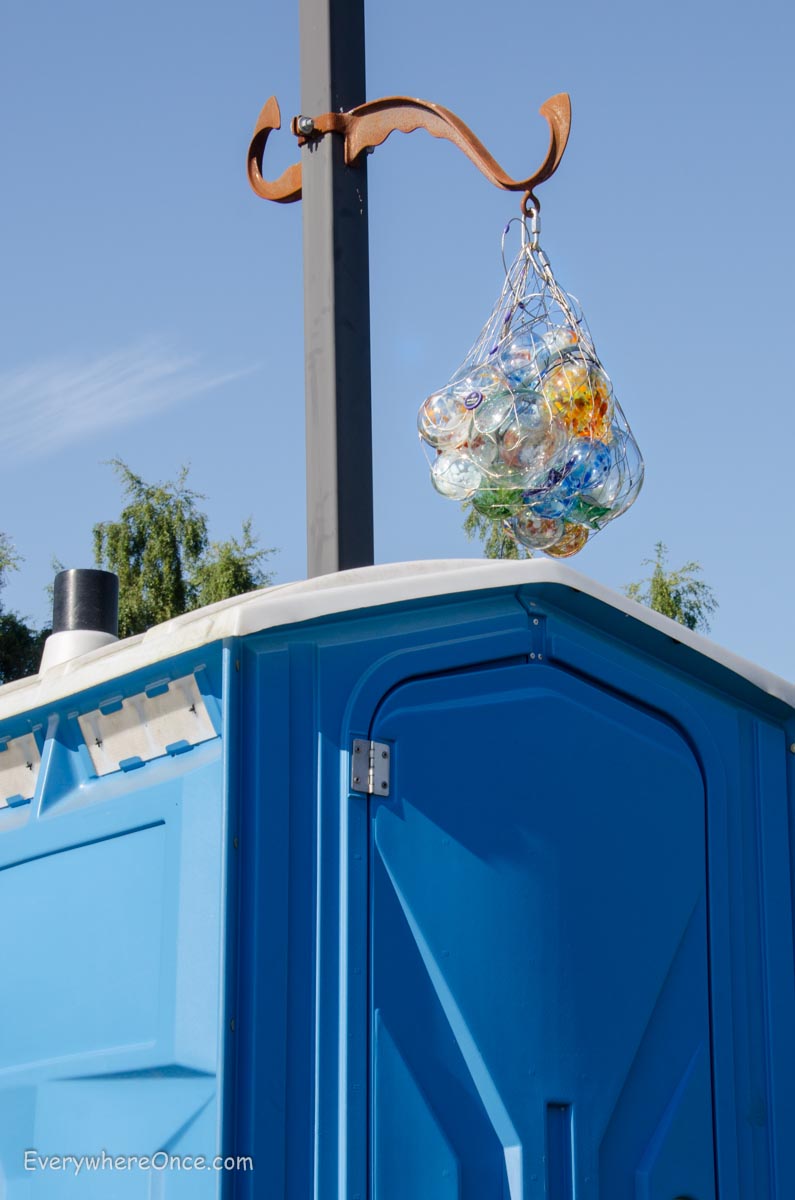
Art is everywhere on Whidbey, even brightening up this porta-potty.
What we found on Whidbey, and really throughout the San Juans, were small towns with their own distinct centers of gravity. These weren’t places that sprang into existence solely for the benefit of tourists. We got the feeling that if tourists stopped coming, they’d continue on pretty much the way they are – perhaps a bit poorer and a little less polished, but more or less the same.
That’s because behind the down-home facades and overflowing wildflowers were real businesses serving real communities and selling real things. We don’t recall seeing any t-shirt stands. The shops weren’t stuffed with cookie-cutter items produced by the world’s cheapest labor. Much of what we saw on store shelves was produced locally by members of “Puget Sound’s largest artist colony.” Even the stores themselves were often owned by local artists, displaying their own and others’ work.
And then, of course, there were the flowers that seemed to spring from nearly every inch of earth. Manicured, wild, and agriculturally grown. It was July when we were there, and the flowers bloomed everywhere as if stuck in eternal spring.
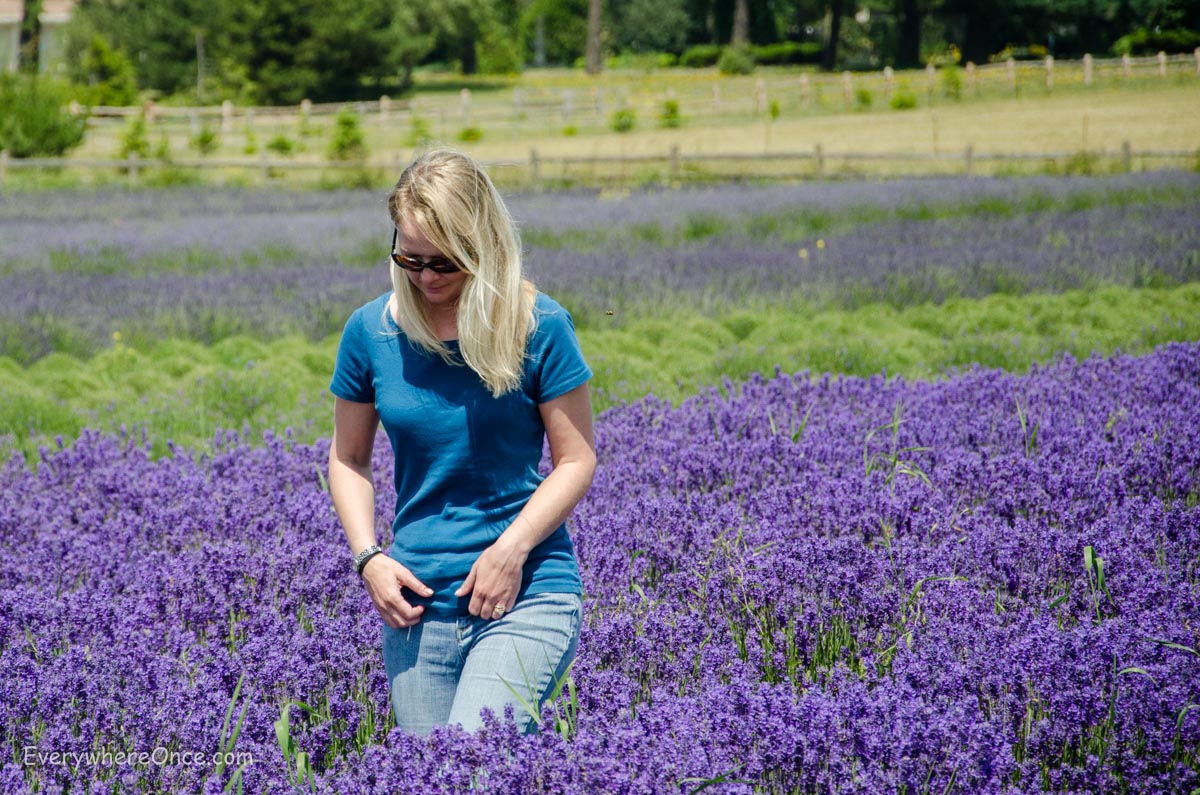
Whidbey Island Lavender Farm
The flowers and the wonderful people welcomed us onto an island that was so much more than just a ferry stop. Whidbey was just what we needed.
Yes, Full Time Travel Really is Less Expensive than Staying Home

It doesn’t seem possible, but it is completely true. Traveling 365 days every year is less expensive than traveling just five or ten or fifteen days per year. And the reason for that is simple: living at home requires a huge amount of overheard that doesn’t exist on the road.
If you don’t believe me, try it out for yourself. Tally up your five largest monthly expenses – such as rent/mortgage, car payment, state income taxes (by traveling full-time we get to choose our state of residency and ours, just so happens, doesn’t have an income tax) – and then multiply the total by 12. If you’re like most people in the U.S., the number you’ve calculated is somewhat greater than a realistic full-time travel budget.
Zombies Have Eaten New Orleans

Louisana State Museum, locked up tight
We haven’t been outside this morning so it’s quite possible that the Big Easy is completely overrun by zombies. Considering the way the city basically shut down yesterday and is expected to remain closed today, we think that’s likely.

Jackson Square Park, Closed
The forecast didn’t call for zombies, though. It called for near-freezing temperatures and some rain. So naturally they locked up all the museums and the parks because, well, zombies.
It has to be zombies because no one closes down for cold weather, do they?

Un-Terrifying Update: So we peek out our door this morning ready to beat back the marauding undead hoard and see this . . .

No dead people feasting on the living but just enough ice to require a few minutes of window defrost – oh, and shut down the city.
RV No More – The End of an Era

Goodbye RV, it was fun while it lasted.
It was almost exactly four years ago today that we took possession of our first-ever RV. It would be another couple of months before we spent our very first night in a campground. We then proceeded to live in the thing almost every single day since.
During these last 1,394 days, our motor home has taken us to the rugged shores of Maine; backed up to the shocking blue waters off Key West; discovered things we never knew existed; climbed the Rocky Mountains; survived the Badlands; drove the Pacific Coast Highway; and made some 241 other stops along the way. Last week, our motor home made its final stop with us as its owners.



Meet Brian and Shannon

Fulltime wanderers since 2010, Brian & Shannon are traveling the world on a quest to see everything there is to see . . . at least once.
Travel Reading:

Top Posts & Pages