Archive | Washington DC RSS feed for this archive

Two For None

National Portrait Gallery

The National Portrait Gallery and the Smithsonian American Art Museum are housed in different wings of the same building and are separated by this nifty little courtyard. I generally find portraits to be among the least interesting form of art. In fact, the most entertainment I’ve gotten from a portrait probably came from watching the looks of disappointment by people seeing the Mona Lisa for the first time. But the American Art gallery is hosting a special exhibit of Norman Rockwell paintings until January 2, 2011. The collection, on loan from directors George Lucas and Steven Spielberg, rivals the one assembled by the Norman Rockwell Museum in Stockbridge, MA. The free admission charge includes access to both museums as well as the special exhibit. It’s well worth the price.

Washington DC

Washington DC

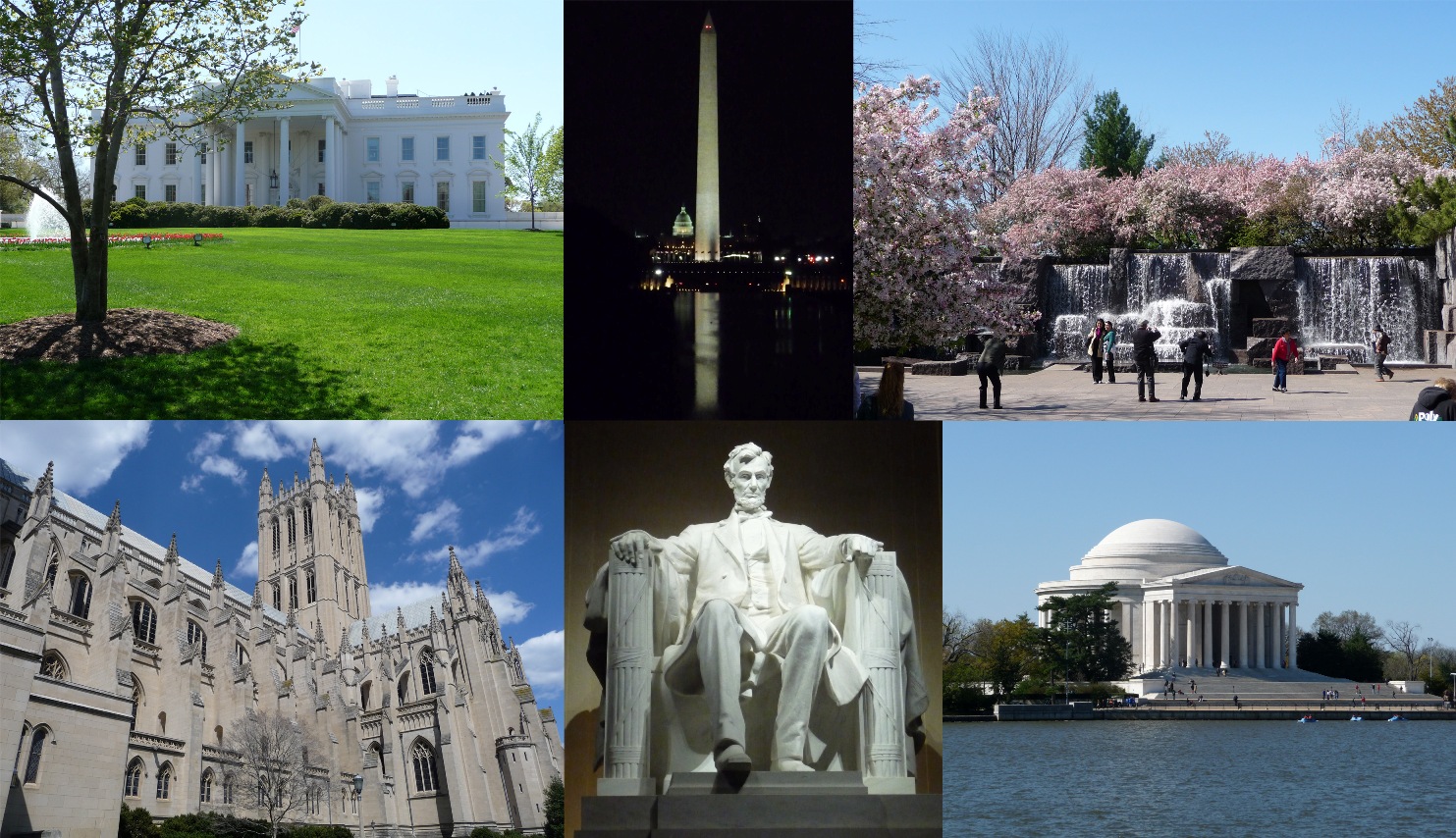
Washington D.C. may be our favorite U.S. city. It’s large enough to have everything you want within easy reach but small enough that you don’t have to fight for space on crowded streets. They’ve even opened one of our favorite New York restaurants, Carmines, and will soon open a Crumbs cupcake shop.  But most of all, Washington is simply beautiful. Probably due to its origins as a planned city with European roots, Washington just seems like it was put together by people who valued aesthetics. It is no surprise that six of the top ten buildings in a recent “America’s Favorite Architecture” survey reside in D.C. Naturally the great government buildings, like the Capitol, and the fabulous monuments are highlights, but many of the city’s lesser buildings are absolutely gorgeous too. Walking down miscellaneous streets while surrounded by the dizzying mix of grand architectural styles is a joy.

And as a tourist, I’ve never seen so many free things to do in any other city.  In what must be a socialist plot to undermine our capitalist democracy, the Smithsonian’s 12 museums, the national zoo, the National Gallery of Art, the Holocaust Museum, the Kenilworth Aquatic Gardens, the U.S. Capitol, the Library of Congress, the U.S. Supreme Court, all of the national monuments, and probably a whole host of things I’ve missed or forgotten, are completely free. What other city can top that?

Afternoon Delight

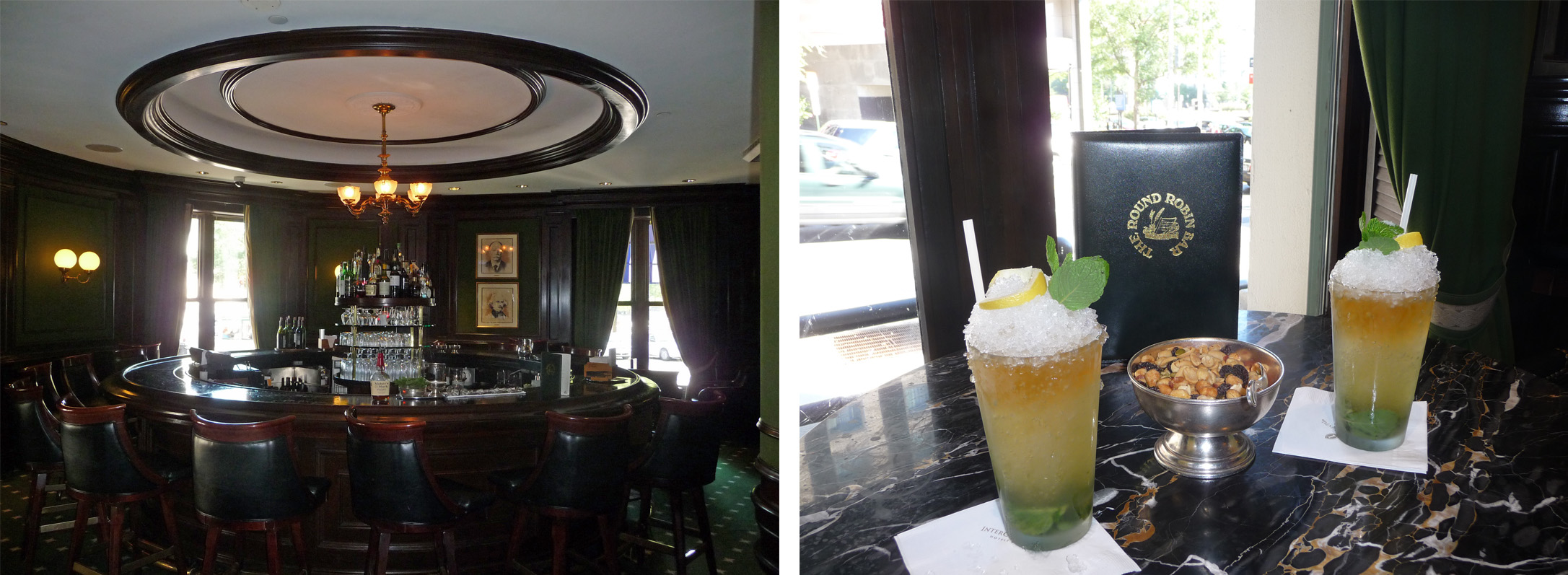
Round Robin Bar, Washington DCWho are we to argue with such a spirited tradition? After a stroll past the White House, we stopped at the Round Robin Bar in the Willard Intercontinental Hotel a few blocks from the president’s digs for an afternoon cocktail. (Technically this was “literary research.” If you’d like to know which famous writers tied one on here, click over to NovelDestinations.com.)

Fixings for Mint Juleps sit on top the bar, waiting for weary sightseers like us to sample the Round Robin’s signature drink. Kentucky senator Henry Clay introduced the (not-for-lightweights) libation to the nation’s capital in the 1850s, and it’s still mixed using his recipe. And yes, it stands the test of time.

Suck it, Alexandria

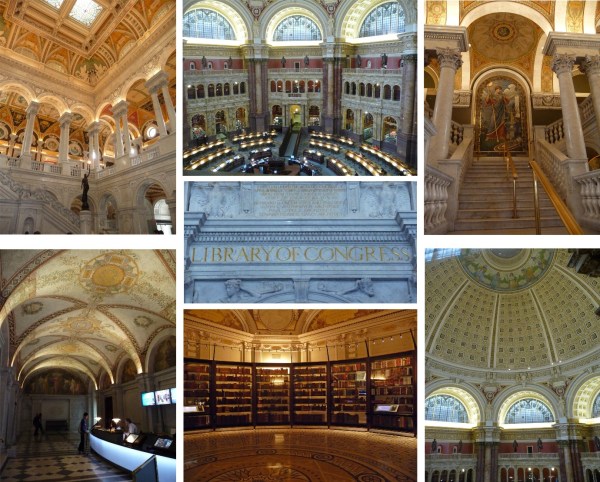
Library of Congress, Washington DC

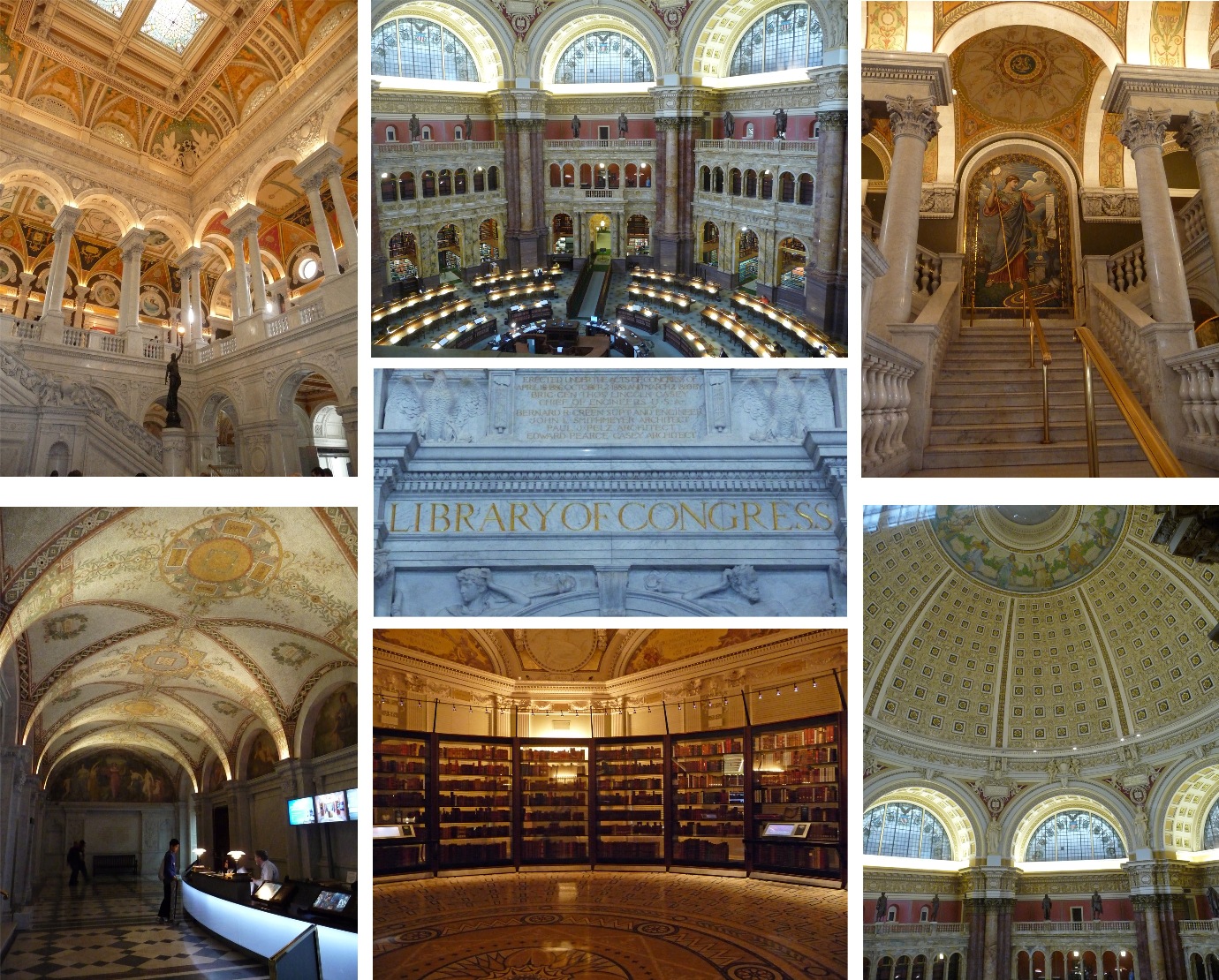
The Great Library of Alexandria was charged with accumulating all of the world’s knowledge and was the largest library of the ancient world; or at least that’s what I learned from the game Civilization, which is pretty much where I get all of my history (that and certain Mel Brooks movies, of course). But the “Great” Library was just a trifle compared to the 142 million items contained in the Library of Congress, the largest library ever assembled.

As with much of our history, we owe a lot to the Brits who destroyed Congress’ first library during the War of 1812. The original library was narrowly focused on legal texts assembled to aid Congress in its role as a law writing body. Its destruction gave Thomas Jefferson the opportunity to successfully argue for a more comprehensive library; his: considered, to be one of the best in the U.S. at the time.

The acquisition of Jefferson’s library was a bit controversial as the collection covered a wide range of subjects, from science to philosophy and included a large number of foreign language texts. But Jefferson, an adherent of the Enlightenment, argued that legislators should be well versed in all manner of subjects.  “I do not know that it contains any branch of science which Congress would wish to exclude from their collection; there is, in fact, no subject to which a Member of Congress may not have occasion to refer”, said Jefferson.

Over the years the Library of Congress continued to expand under this Jeffersonian philosophy of universality. As a result, our government now has the finest collection of information in the world to which it can refer and then, apparently, ignore.

At The Zoo

Washington Zoo

“Someone told me
It’s all happening at the zoo.
I do believe it,
I do believe it’s true.
Mmmmm. Mmmmm. Whoooa. Mmmmm.”

I don’t blame Paul Simon because he was probably stoned off his ass when he wrote those lyrics, but there really wasn’t much happening at the Washington, DC, Zoo. The Smithsonian National Zoological Park is a pretty standard zoo; lots of critters in cages. They don’t try nearly as hard as the Henry Doorly Zoo, in Omaha, but what do you expect, it’s free?

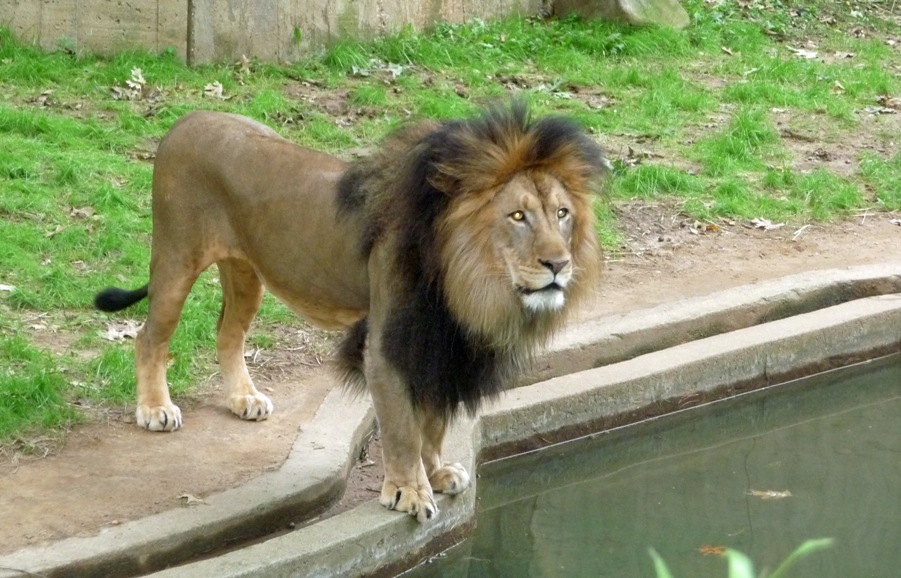
We did spend a good amount of time watching a lion watch us. You could almost see the little wheels turning in his lion head trying to figure out how to get past the moat and over the wall to all of those tasty humans. Just to be safe, I made a point of standing near a bunch of slow looking women and children, because you can never be too careful in situations like that.