Ever since our first experiment with AirBnB (where we snagged a New York City...



Ever since our first experiment with AirBnB (where we snagged a New York City...

Just imagine, you’re in the Rome airport staring down the barrel of a...

It doesn’t seem possible, but it is completely true. Traveling 365 days every...

This 30,000 acre salt pan in northwestern Utah is probably best known for an entirely unlikely reason. Given the slickness of its salty surface, it’s not the best place to achieve fast acceleration of wheeled vehicles. And yet if these Bonneville Salt Flats are known for one thing it is for land speed records. What gives?
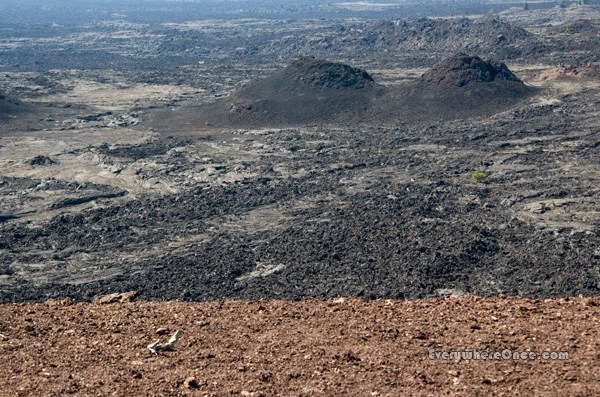
618 square miles of magma. That is the size of the lava field at Craters of the Moon National Park in south-central Idaho. Large enough that it stretches as far as the eye can see in some spots, giving the impression of a barren, black world.
The entire field isn’t just one lava flow, but 60. At least 25 different volcanoes contributed to its construction some 15,000 to 2,000 years ago – a mere blink of an eye in geologic terms.
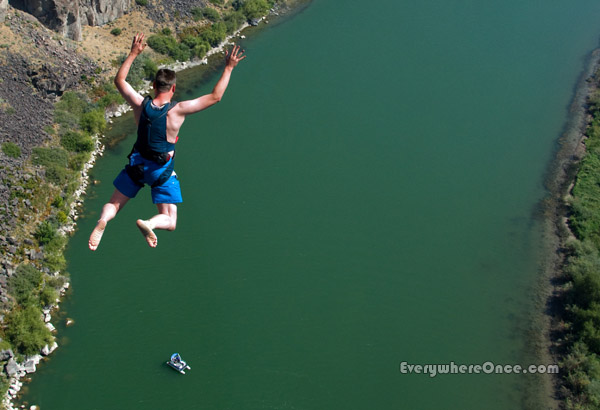
I walked across the expanse of the Perrine bridge in Twin Falls, Idaho, with the intention of photographing the beautiful gorge and the Snake River that serenely and quietly flowed some 500 feet beneath my shoes. What I never expected to see was someone jump from the bridge. Over the course of the next day, I watched a dozen or more people make that same leap.

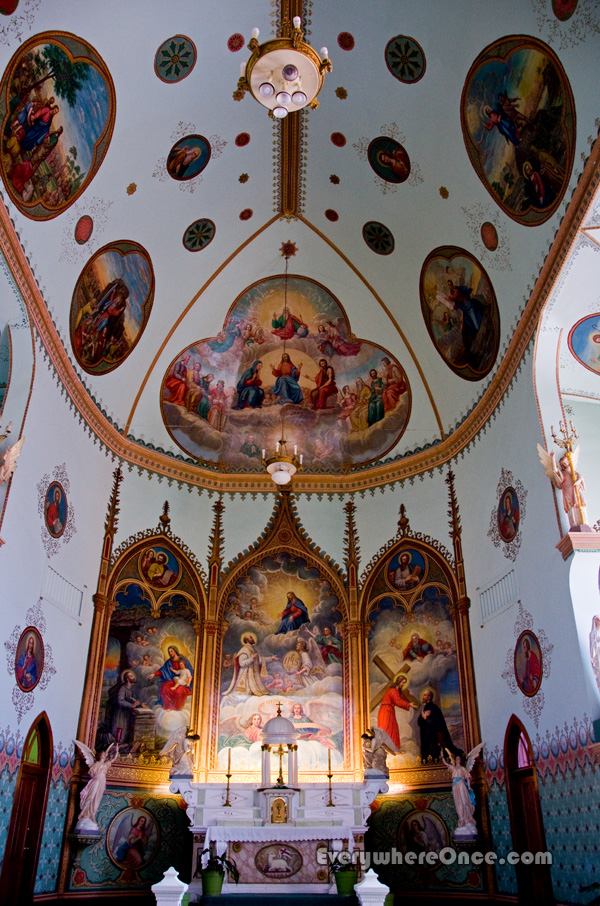
It’s not surprising to learn that the St. Ignatius Mission, located on Montana’s Flathead Indian Reservation, is included in the U.S. National Register of Historic Places. Or unusual that the reason for its listing is the 58 stunning murals that adorn the mission’s walls and ceiling. What is uncommon, though, is Brother Joseph Carignano: the untrained amateur artist employed at the mission as a handyman and cook who painted them all in his spare time.
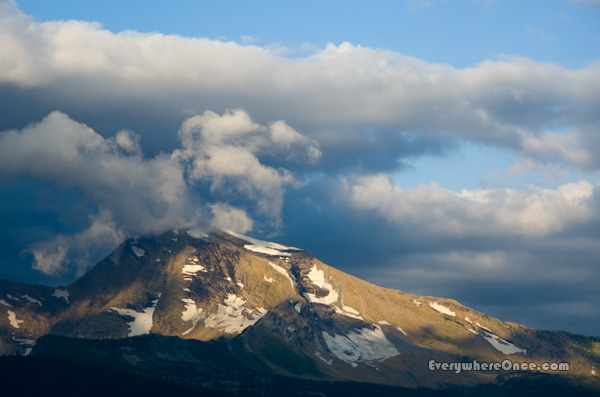
It is often called the “Crown of the Continent,” and for good reason too. With vaulting granite peaks soaring two miles high and ice carved valleys bejeweled by 762 lakes that sparkle like diamonds and sapphires in the mid-day sun, Glacier National Park is every bit a crown fit for a continent.













 Everywhere Once