Author Archives | Brian

Smack Down

Everglades Canoing

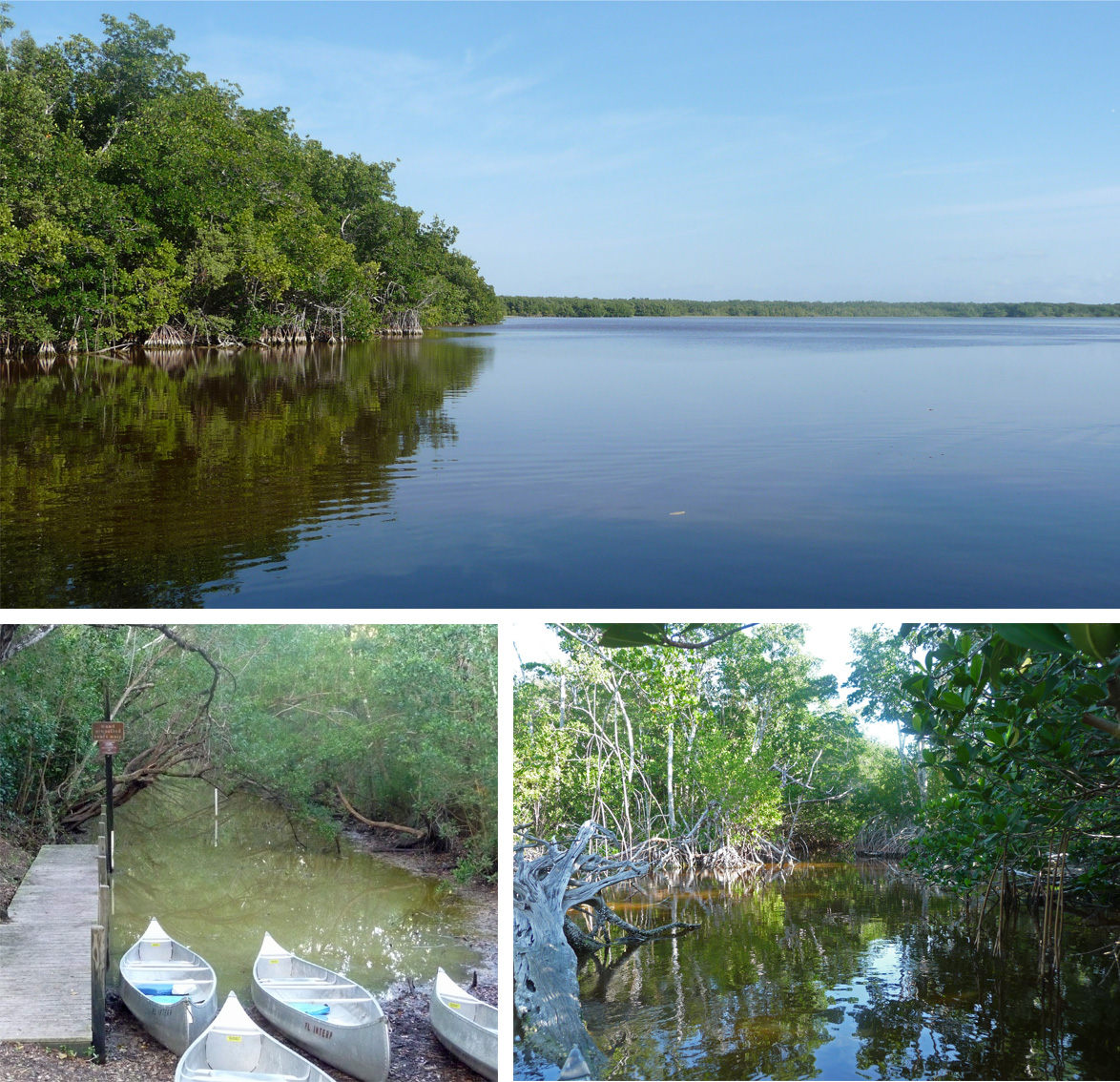
I should have known that yesterday’s post would anger the fates. After stumbling upon that once-in-a-lifetime occurrence, we grabbed paddle and canoe, confident that pressing deep into the Everglade’s watery world would yield even greater discoveries. We were wrong. Surprisingly we saw very little in the way of wildlife; almost none. Clearly Mother Nature is avenging yesterday’s hubris. No matter. We had a great time anyway, so screw her (I’m obviously a slow learner).
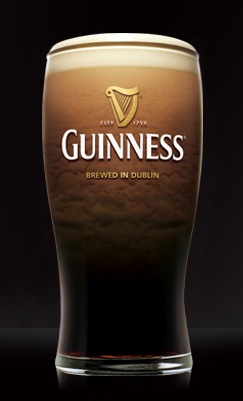
Our seven-mile paddle wound us through difficult-to-navigate mangrove swamps and out into the wide open vistas of shallow water lakes. The aptly named Mud Lake was so shallow that our paddle strokes kicked up a cascade of tannish-brown sediment that looked exactly like a pint of Guinness settling in an icy glass; a thing of beauty to be sure. But when left undisturbed, the dregs quickly settled leaving crystal clear water behind. Good enough to drink? Probably not. So we waited until we got home to crack a few cold ones and then toasted Mother Nature, who is still pretty awesome even when giving you the cold shoulder.
Hitching A Ride

When we make an effort to visit critters in their environment, we naturally expect them to show up. We’ve been pretty lucky in that regard, with bison, crocodiles, deer and dolphin all bending to our will. But maybe we’ve set our expectations too low. Maybe it’s not enough that they simply show up and allow us to take pictures. From now on, we’re demanding that they perform tricks, too.

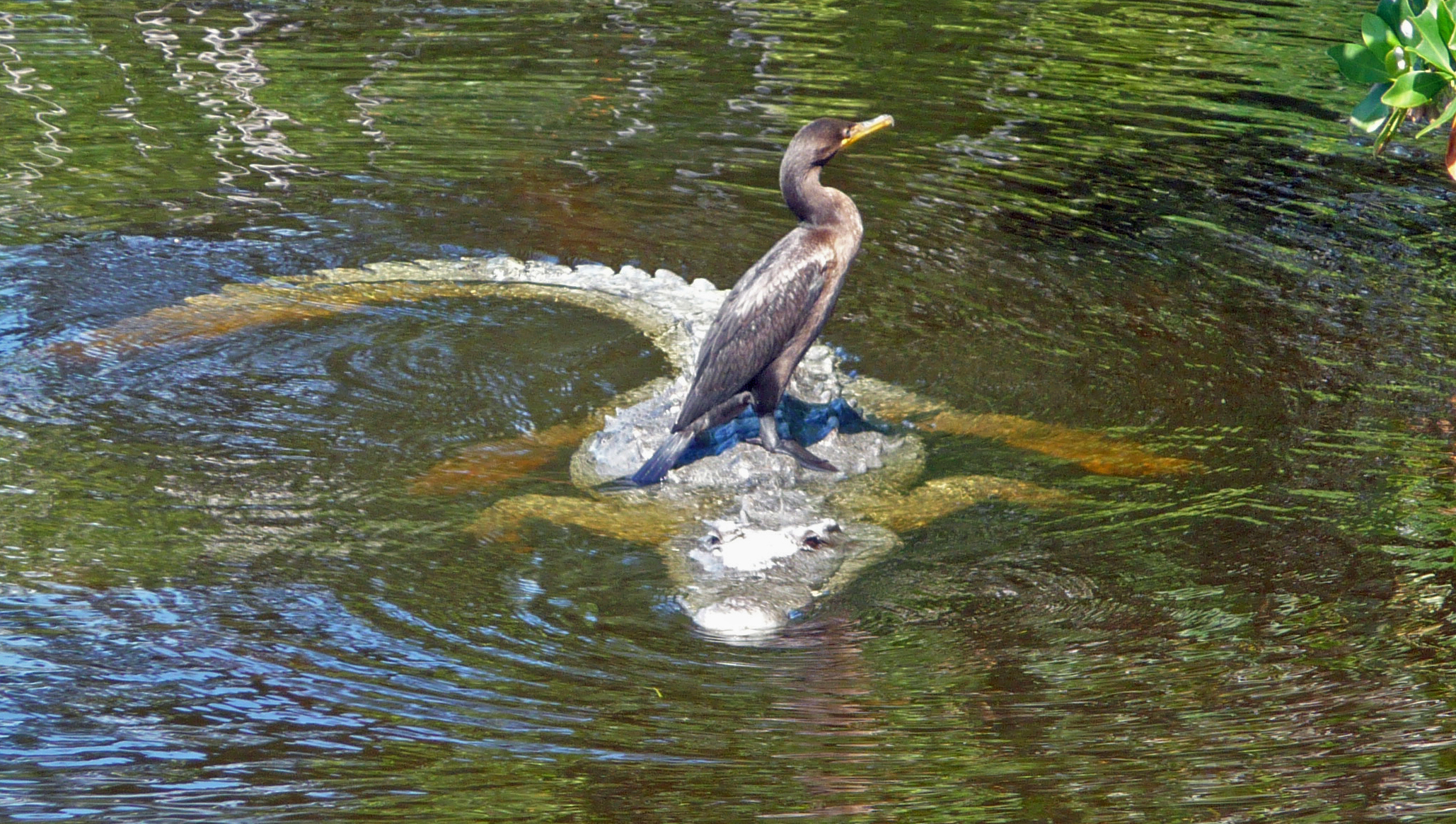
So here we have a Double-crested Cormorant riding on the back of a crocodile. A National Parks Ranger told us she’d never seen anything like this before in her 15 years at the park, and doesn’t expect to see it again. Which isn’t surprising because it isn’t every day you see prey riding its predator like a birthday party pony.

Bird Riding an Alligator Image

Howdy Neighbor

Red Shouldered Hawk Image

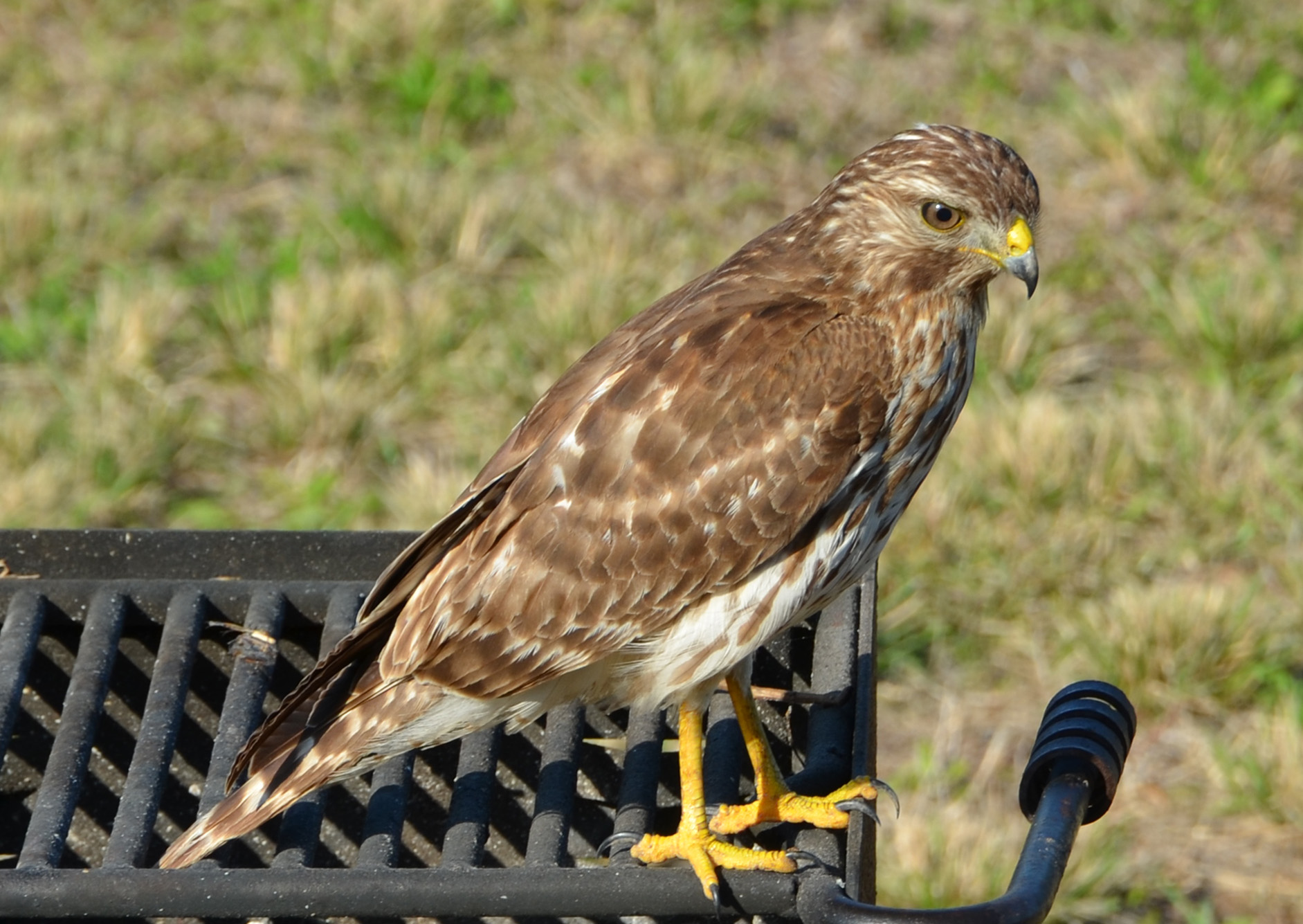
No sooner did we arrive at our campsite in the Everglades National Park than this red shouldered hawk stopped by to greet us. He stayed with us all day, stalking prey from a nearby tree or from the top of our grill, occasionally swooping down to stomp on some unlucky critter.

Down In The Boondocks

“Boondocking” or dry camping is RV slang for camping without the benefit of utilities: electric, water, and sewer. Shannon & I have never “boondocked” before, because it was never necessary to visit the places we wanted to go. Even the state campgrounds always had water and electric service. But Everglades National Park is a different story, and we’ll be without hookups for a week. It will be a nice test-run to see how we like, or at least how well we’ll cope with, “primitive” camping.

But “primitive” is relative. We’ll carry in 86 gallons of fresh water in our holding tanks and will have a generator and battery back-up for limited electric service. We’ll burn propane for heat and hot water. Even our refrigerator runs off of propane. So there won’t be much we’ll do without. Basically, it’s roughing it for pussies, which is right up our alley. But we’ve never done it before, so it’s new to us. And it is an exercise in conservation. Although we can carry in a lot of stuff, whatever we carry in is what we have to work with. We’ll be 50 miles from the nearest grocery store, which is kind of the point. But being so far from civilization requires a bit more planning than most places where you can run out for whatever you forgot.

I’m looking forward to it. Not only are we going deep into mostly undeveloped territory, we’re also laying the groundwork for many more similar excursions waiting for us down the road.  How exciting.

John Pennekamp State Park

John Pennekamp Coral Reef State Park

The idea of a state park that is completely submerged struck us as both different and cool. When we heard that John Pennekamp Coral Reef State Park in Key Largo, FL was the first undersea park created in the U.S., we put it on our list as a must-see destination. When combined with the adjacent Florida Keys National Marine Sanctuary, the park encompasses 178 square miles of coral reefs, seagrass beds and mangrove swamps. These areas protect and preserve the only living coral reef in the continental U.S.

Our original intention was to spend the day snorkeling, but the water and air temperature was a bit too cold. So we opted for the next best thing, a glass bottom boat ride. The 2 ½ hour tour passed over a number of shallow reefs teeming with wildlife, none of which allowed me to successfully photograph them. It was a worthwhile excursion, but next time we’ll come a little later in the year so we can explore these underwater treasures with our faces in the water.