Ever since our first experiment with AirBnB (where we snagged a New York City...



Ever since our first experiment with AirBnB (where we snagged a New York City...

Just imagine, you’re in the Rome airport staring down the barrel of a...

It doesn’t seem possible, but it is completely true. Traveling 365 days every...
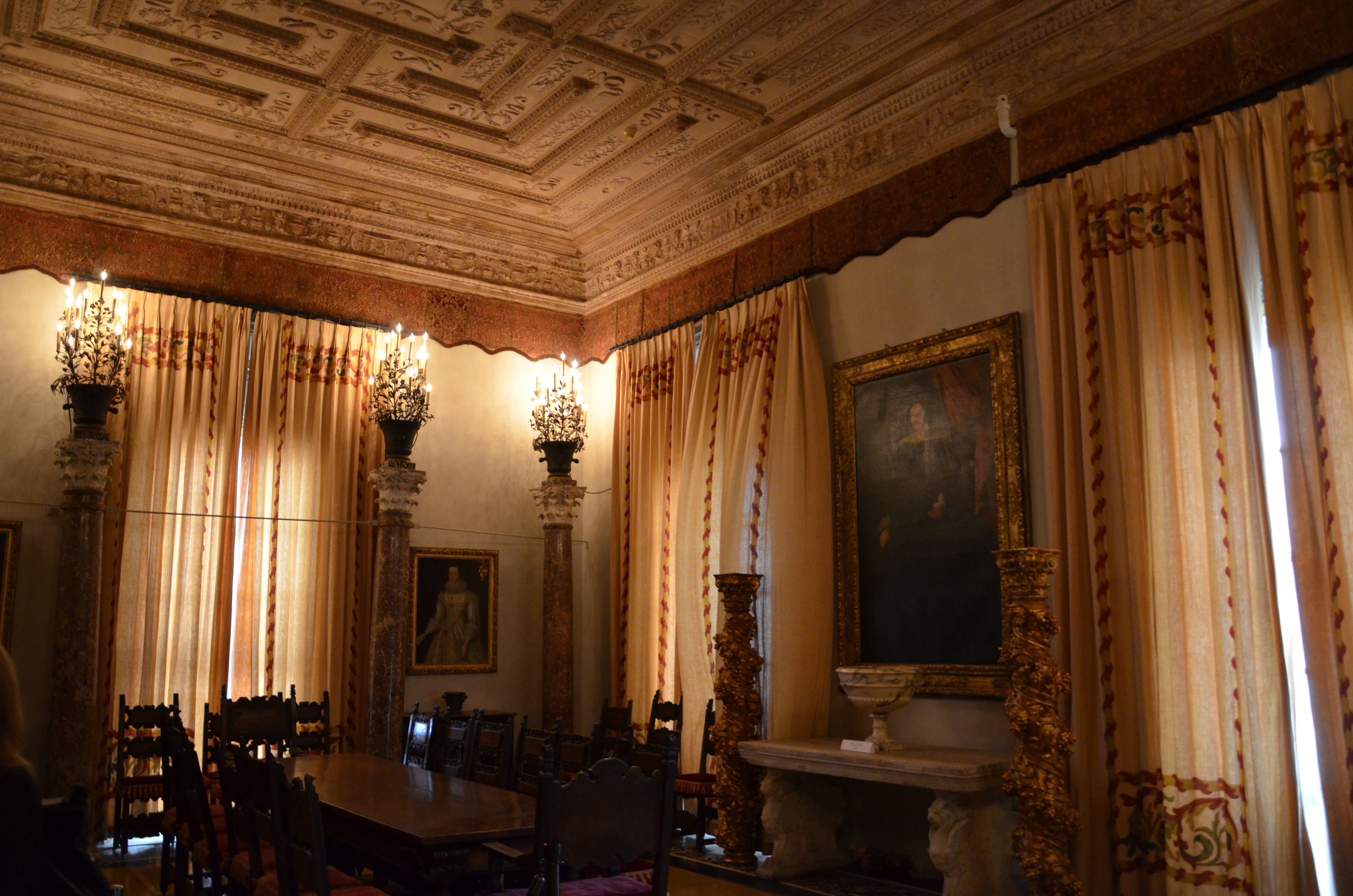
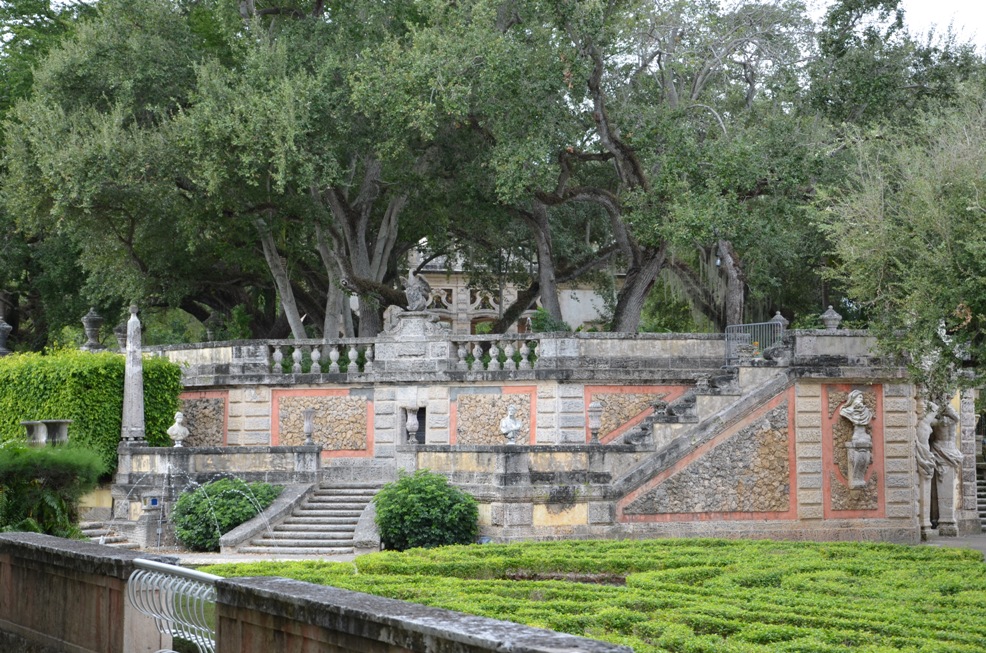
Even before we downsized and took up residence in a 300-square-foot home-on-wheels, I had a fascination with over-the-top, Gothic-style houses. Most of the ones I’ve coveted were in Europe (and they were castles), but the Vizcaya Museum in Miami delivered in the fantasty department–in spades. There are tapestries, crystal chandeliers, winding stone staircases, an indoor courtyard, and a piazza straight out of Venice with a gorgeous view of Biscayne Bay. A bonus: stunning French- and Italian-style gardens. Maybe they’ll let us park the RV here for a while if we promise not to touch anything.




 We’re going to be off the grid for the next week or so . . . no cell phone service, no internet, no electricity . . . thus, no blog posting. Check back in a week and maybe by then we’ll have finished our margaritas and be back on a normal posting schedule. But then again, maybe not. Who knows.

Lets face it, people suck. So when we found a place with the advertising tagline “where humans are caged and monkeys run wild” we knew it was going to be worth a visit.
Monkey Jungle began 78 years ago when six Java monkeys were released into the dense South Florida forest. Since then, the original troop has grown to more than 80 members, all of which run free in a 30-acre preserve. It is one of just a few protected habitats for endangered primates in the U.S., and the only one open to the public. The monkeys forage for food in the wild, but they also benefit from scheduled feeding times that encourage the critters to congregate for public viewing. In addition to the Java troop, howler monkeys, black-capped capuchins, and about 125 squirrel monkeys inhabit the park’s “Amazonian Rainforest.”
A total of 30 species of primates occupy Monkey Jungle, but not all have free reign. Many of the larger species, like orangutans and gorillas, reside in traditional enclosures. These exhibits, together with a small aviary, make Monkey Jungle feel more like a traditional zoo than it is. But the aviary, at least, is actually a sanctuary for pet birds adopted by a non-profit organization created to rescue abandoned parrots. Abandoned, no doubt, by people who suck.


Posting has been slow recently because we’ve been stuck on island time in the Florida Keys for most of January. This picture (one of my favorites from our trip so far) was taken from our bedroom window in Grassy Key. It’s hard to get motivated when just sitting here is so rewarding. I imagine we’ll have more to say on Miami at some point. But at the moment I have more pressing matters to address; like finding my lost shaker of salt.
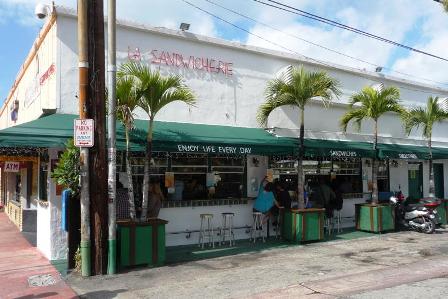
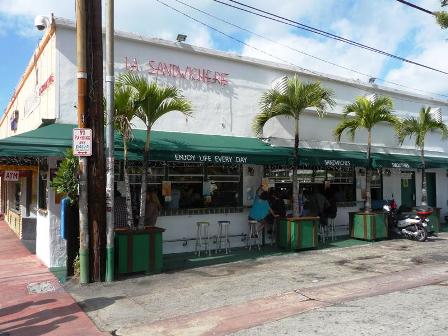
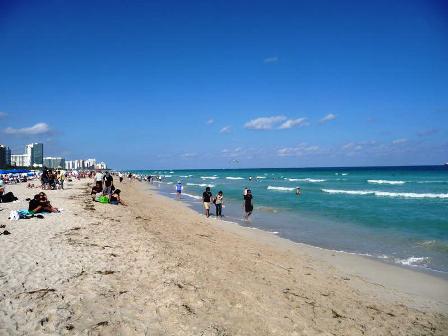
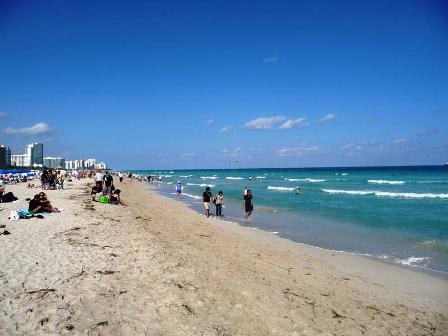
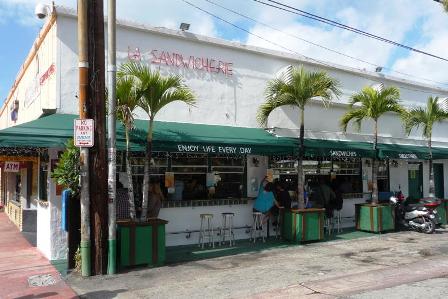
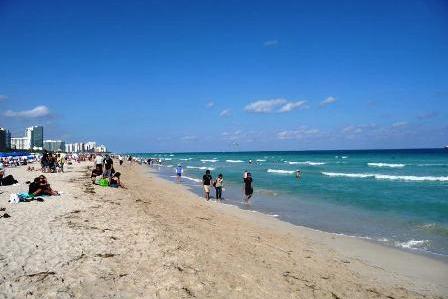
South Beach beckoned, and we heeded the call–after stopping for lunch al fresco at the French-inspired eatery La Sandwicherie–during our first Miami outing. The mythic stretch of sand and much-hyped celebrity playground was a nice but pretty much regular beach. No star sightings, just a lot of tourists like us enjoying the sun and surf.
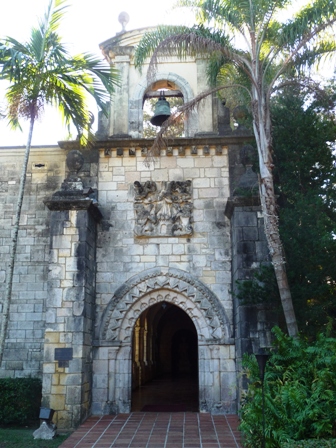
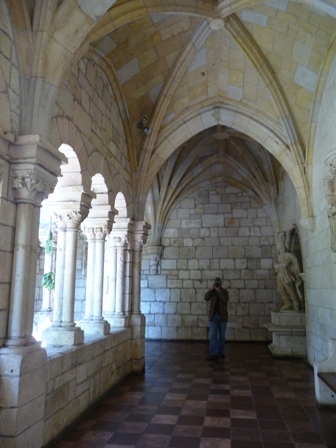
We found intriguing scenery in north Miami at the Cloisters of the Ancient Spanish Monastery, which made a picturesque backdrop for Brian to try out his brand-new, fancy camera.
The church was constructed in Spain in the 12th century and, in 1925, purchased by William Randolph Hearst and shipped to the U.S. in 11,000 wooden crates. They languished in a Brooklyn, New York, warehouse for 26 years, until a buyer came along and had the cloisters reassembled in Miami. Like a giant jigsaw puzzle, each numbered stone was placed in its original location.










 Everywhere Once