Ever since our first experiment with AirBnB (where we snagged a New York City...



Ever since our first experiment with AirBnB (where we snagged a New York City...

Just imagine, you’re in the Rome airport staring down the barrel of a...

It doesn’t seem possible, but it is completely true. Traveling 365 days every...

A 2nd century Roman amphitheater overlooking the Mediterranean in Tarragona, Spain.

Not at all what David thinks.
I have to say I was a bit amused to read David Brooks’ most recent column from the comfortable couch of our two-bedroom apartment rental overlooking a harbor in Cornwall, England. You see, David is a bit confused about the emerging “peer-to-peer” economy. To his credit, he admits as much.
I’m one of those people who thought Airbnb would never work. I thought people would never rent out space in their homes to near strangers. But I was clearly wrong.”
He then tries to explain why his original prediction failed, only to demonstrate that he still doesn’t really get what’s going on.
On the one hand, he does seem to grasp the way in which new technologies are rendering rigid old structures flexible. On the other, he seems completely oblivious to the value such flexibility provides. It’s a theme that runs throughout the piece.
I’ll hazard a guess that his blind spot comes from a political philosophy that prefers to see people constricted in various ways. He may not realize it, but that isn’t what most people want. People really do value having options. That simple understanding would, I think, have made everything clear to him.
But for our purposes, let us start at the beginning.

Be careful, it’s Vegas out there
The cavernous room is lit in a dim, yet pleasing way. There are no windows, no clocks, no reminders of the outside world. It could be noon or it could be midnight outside. In here, there’s always time for one more round.
In front of you, a machine flashes like a video game. You watch the simulated wheels turn quickly at first and then they slow, one by one. The first wheel lands on the letter “W.” The next stops at “I.” The last rolls excruciatingly forward, passing worthless letter after worthless letter until you see the one you’ve been waiting for.
The letter “N” appears at the top of the screen and begins to move its way down toward the jackpot position. You watch as it slides ever so slowly toward the thing you’ve been playing for all night: WIN. You see that word completed on the screen for just an instant before the N ticks once more, out of position and back to worthlessness. You almost won big. Or so you think. In reality, you’ve just been manipulated.
Many years ago I recall reading about the incredible amount of planning that goes into making slot machines as addictive as possible. Their lights and bells are meticulously calibrated to keep you in a perpetual state of agitated excitement. The payouts are statistically measured and timed to give you just enough reward so that you keep on playing. And every once in a while, just often enough according to the latest behavioral science, the machine will let you think you almost won the big jackpot. How can you stop playing now when you were oh so close to cashing in?
It’s all carefully choreographed to relieve you of as much of your money as possible. Now those same tricks and tactics are coming to a website near you.
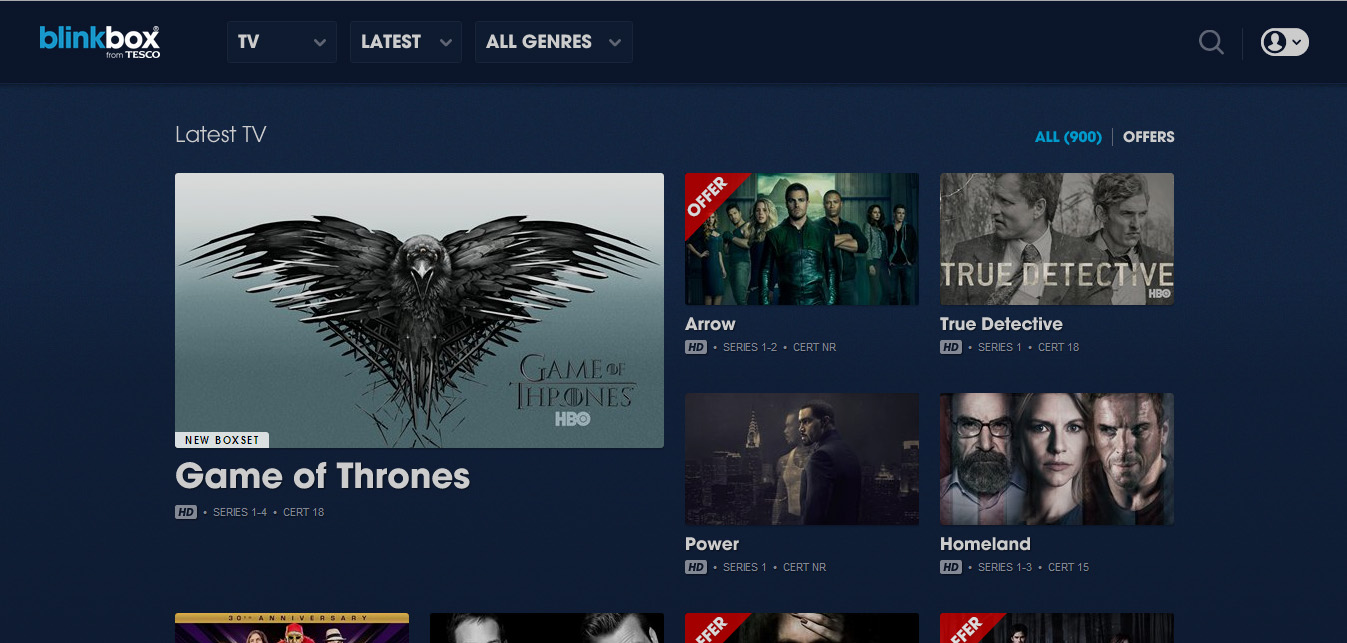
In an earlier episode we taught you how to stream your favorite television shows while traveling abroad. Sadly, not all shows are always available for streaming. If you’re hooked on Game of Thrones and want to watch the latest season, for example, you’re mostly out of luck.
It took more than eight months for Season 3 to be released on DVD or made available for download. Considering that Season 4 just wrapped up last week, you won’t be able to see the fallout from the Red Wedding until sometime in 2015 (long after your blabbermouth friends will have likely spoiled any surprises.) The same is true for Homeland, the third season of which ended in December 2013 but still isn’t available to stream more than six months later.
Only, none of that is entirely true.













 Everywhere Once